



Step 1: Store Your Rainwater
Step 2: Store Your Rainwater

Assess your rainwater collection area

Clean: Filter Leaves and debris
Filter leaves and debris
Clean: Divert the first flush of rainwater
Monitor your water level
Filter leaves and debris
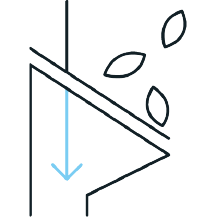
Leaves and debris are the root cause of many rainwater collection issues, from contamination and unpleasant odours to obstructed water flow and clogged pipes. Filtering them out before water reaches your tank is one of the most effective things you can do for your system.
Clean: Filter leaves and debris
Keep large debris like leaves, twigs, and animal matter out of your system by installing rain heads and filters at every downpipe connection.
THINGS TO CONSIDER
Install a rain head on every downpipe
Rain heads use a mesh screen to block leaves, twigs, and other debris while letting water pass through. All Rain Harvesting rain heads include a mosquito-proof stainless steel mesh screen. For maximum water capture, add a Hood Upgrade to reduce splashback.
Add a Maelstrom filter for finer protection
The Maelstrom uses superfine filtration comparable to a teabag, while still delivering an extremely high water catchment rate. It can be installed pre-tank or post-tank depending on your system design.
Understand why this matters
As leaves break down in your pipes and tank, they can cause anaerobic fermentation, which affects the colour, smell, and taste of your water. Filtering them out early protects your water quality and reduces maintenance across your entire system.